
Pergolas Ormeau – Service Coverage & Local Information
Ormeau is a northern Gold Coast suburb serviced for pergola design, supply, and installation across all residential property types. Sitting along the Pacific Motorway corridor between Brisbane and the Gold Coast, the suburb encompasses a mix of established homes, newer family estates, and semi-rural residential blocks — each presenting different site conditions and pergola opportunities.
Key details for local customers:
- Location: Ormeau, northern Gold Coast, QLD
- Property types covered: New builds, established homes, and acreage residential blocks
- Pergola styles available: Flat roof, gable, skillion, freestanding, and attached pergola structures
- Materials: Timber, steel, and aluminium — selected to suit block orientation, exposure, and intended use
- Council area: Gold Coast City Council jurisdiction, with standard residential building codes governing pergola construction

Pergola Installation in Ormeau Suits a Suburb Built for Outdoor Living
Ormeau has developed into one of the northern Gold Coast’s most sought-after family suburbs, and the way residents use their properties reflects that. Outdoor entertaining, backyard play spaces, and shaded alfresco areas are standard expectations here — not optional extras. A well-constructed pergola answers all of these needs within a single structure, making it one of the most practical investments an Ormeau homeowner can make.
The suburb’s residential diversity is a defining characteristic. Mature lots near the highway sit alongside contemporary estates where slab-and-tile homes are still finding their final form. Across both property types, pergola installation completes what the house itself leaves unfinished — a covered, functional outdoor zone that performs across every season Queensland delivers.
Queensland’s subtropical climate makes shade and weather protection a genuine priority rather than a lifestyle preference. In Ormeau, where families spend significant time outdoors year-round, a pergola transforms an exposed backyard into a space that earns its place in daily life from the first week of use.
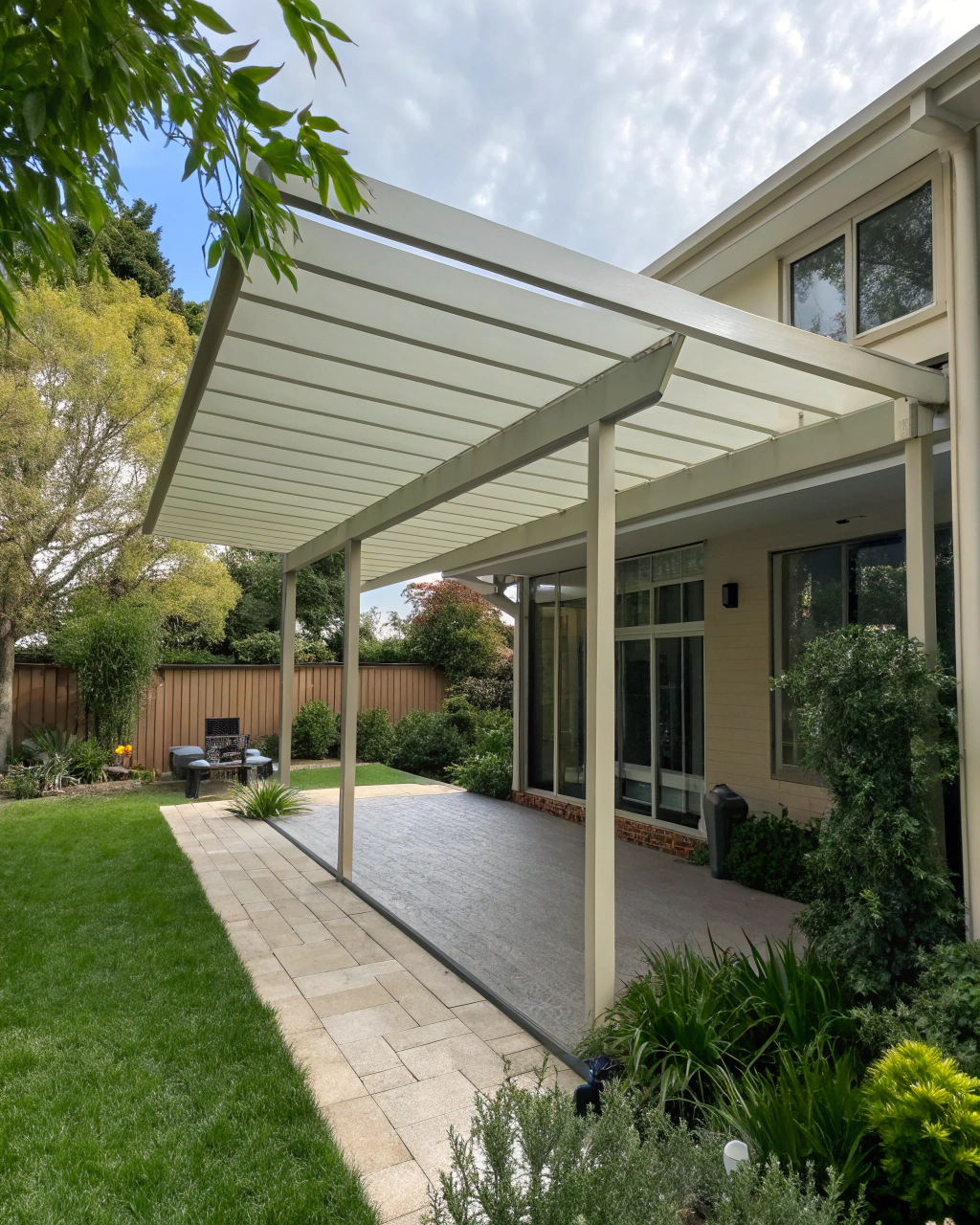
Ormeau’s Block Sizes Create Room for Generous Pergola Designs
One of Ormeau’s most practical advantages for pergola construction is the amount of usable land available on a typical residential block. Compared to the tighter allotments found in more established Gold Coast suburbs to the south, Ormeau’s lot sizes — particularly across its semi-rural and acreage pockets — give homeowners genuine flexibility when it comes to footprint, orientation, and structural ambition.
This space allows for freestanding pergola structures that sit independently of the home, creating a destination within the backyard rather than simply an extension of the rear wall. Larger footprints also open the door to integrated features — outdoor kitchens, lounge zones, and dining areas — that would feel crowded on a smaller allotment but work naturally on Ormeau’s more generous blocks.
For homeowners on semi-rural properties along the suburb’s outer edges, the design possibilities extend further still. Elevated structures, rural-framed aesthetics, and multi-bay configurations are all achievable where land area supports them — and in Ormeau, it frequently does.
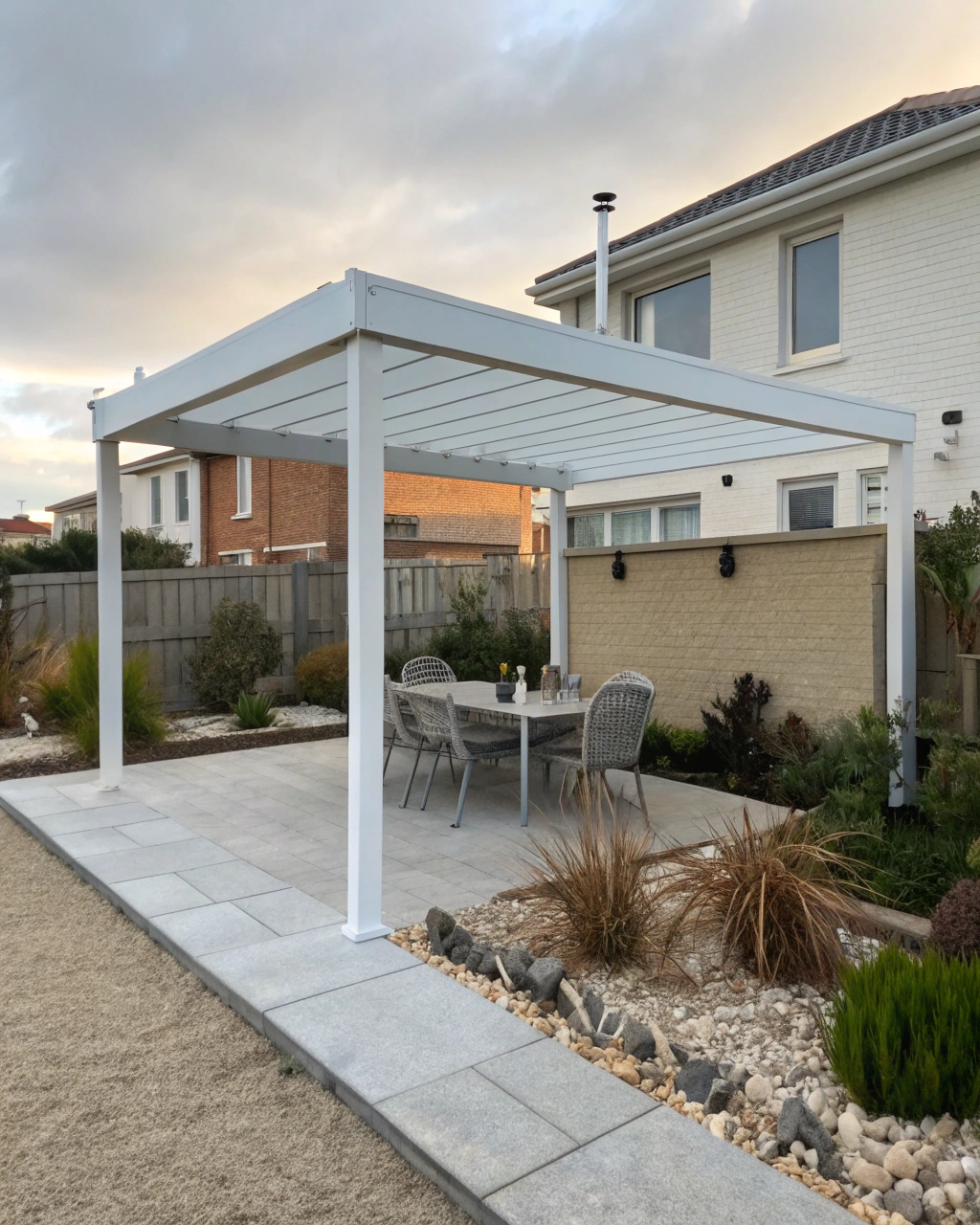
Freestanding Pergolas Make Full Use of Ormeau’s Larger Lots
A freestanding pergola operates as its own structure — independent of the home’s roofline, positioned wherever the block and lifestyle dictate. For Ormeau homeowners with the land to support it, this freedom of placement produces outcomes that attached structures simply cannot replicate. Freestanding designs can be oriented to maximise afternoon shade, positioned alongside a pool, or set back from the house to create a genuinely separate outdoor room.
The structural independence of a freestanding pergola also means fewer constraints during the design phase. There are no existing eaves, gutters, or wall heights to work around — the structure is engineered from the ground up to suit the intended use, the block dimensions, and the homeowner’s preferences without compromise.
On Ormeau’s larger residential lots, a freestanding pergola becomes the functional centrepiece of the backyard rather than an afterthought tacked to the rear facade. Properly designed and positioned, it draws the outdoor space together and gives the entire property a sense of deliberate, finished purpose.
Pergola Roofing Options Selected for Queensland’s Climate Conditions
Roofing selection is one of the most consequential decisions in any pergola build — and in Queensland’s subtropical climate, it carries more weight than aesthetics alone. Ormeau homeowners contend with intense summer sun, high UV exposure, and seasonal downpours that can arrive with little warning. The roofing material chosen determines how well the structure performs across all of it.
The most commonly specified options for this climate include:
- Colorbond steel roofing — durable, low maintenance, and available in a full range of colours to complement existing home exteriors. Provides complete rain protection and reflects heat effectively when paired with appropriate insulation.
- Polycarbonate sheeting — allows natural light to filter through while blocking UV radiation. Well-suited to pergolas adjacent to indoor living areas where maintaining brightness is a priority.
- Timber battens and open slat configurations — suited to structures where partial shade and airflow take precedence over full weather protection. A natural aesthetic choice for semi-rural Ormeau properties.
- Insulated roofing panels — the premium option for year-round comfort, significantly reducing heat transfer and making the space usable even during Queensland’s hottest months.
The right choice depends on how the structure will be used, its orientation on the block, and the degree of weather protection required. Each option performs differently across Ormeau’s seasonal conditions, and material selection should reflect that reality from the outset.
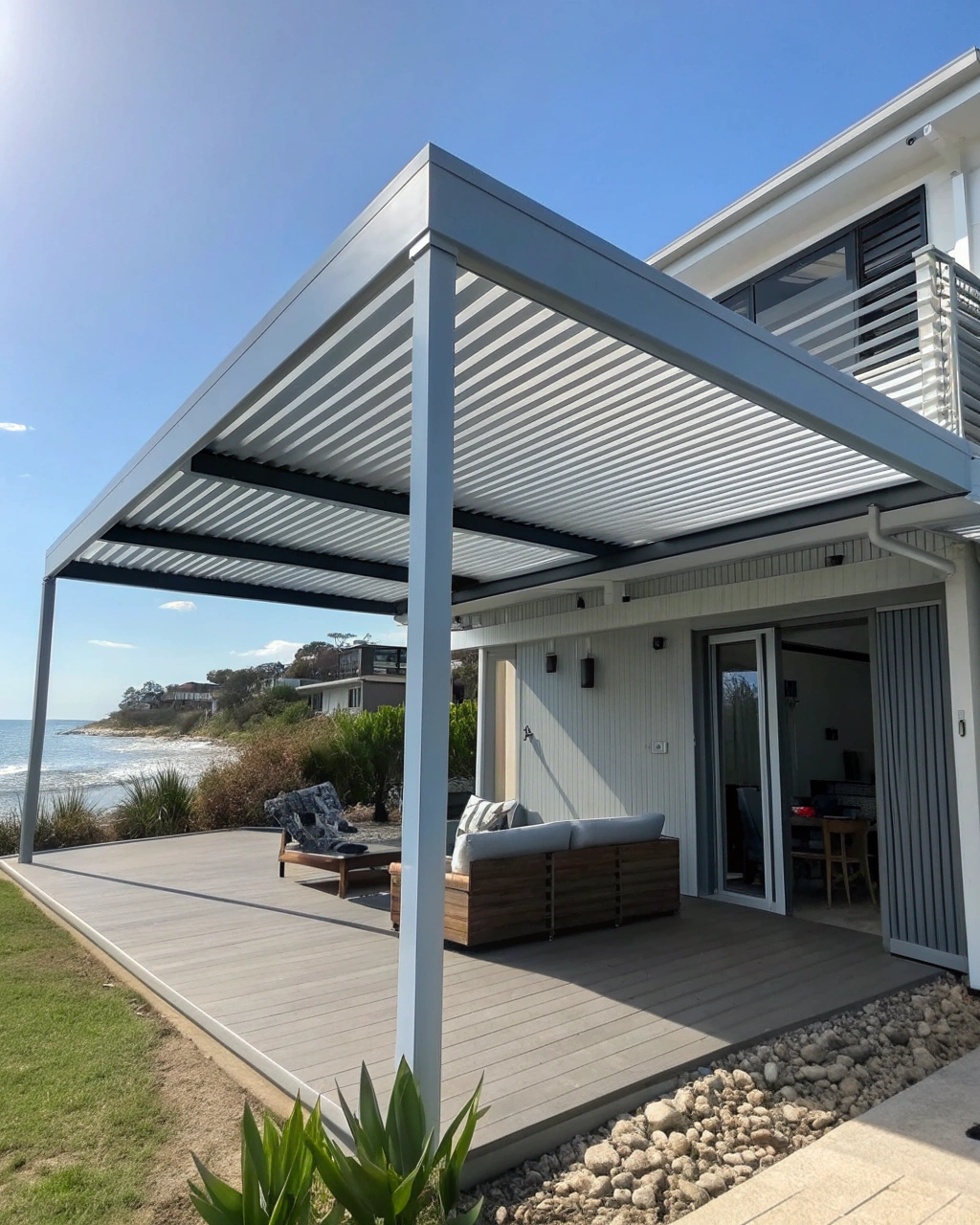
Pergola Additions to Established Homes in Older Ormeau Precincts
The older residential pockets of Ormeau — particularly those clustered near the Pacific Motorway and the suburb’s original street grid — present a distinct set of considerations for pergola construction. These homes were built across a range of decades, and their existing rooflines, eave heights, and structural configurations vary considerably from one property to the next. A pergola addition here is not a templated exercise — it requires careful assessment of what the home already presents before design work begins.
Attachment points and load-bearing capacity are among the first considerations on established homes. Older construction methods and materials may require additional engineering input to ensure a pergola integrates correctly with the existing structure. Getting this right at the planning stage prevents complications during the build and ensures the finished result looks considered rather than retrofitted.
Done well, a pergola addition on an established Ormeau home achieves something new builds don’t yet need — it resolves the disconnect between an interior that has been lived in and refined over years and an outdoor space that has never quite caught up. A well-matched structure in appropriate materials ties the property together and brings the backyard into alignment with the rest of the home’s character.
What Ormeau Families Should Know Before Commissioning a Pergola
Commissioning a pergola is a more involved process than many homeowners anticipate. Understanding the key steps before engaging a builder saves time, prevents miscommunication, and produces a better outcome. For Ormeau families at the start of this process, the following points are worth establishing early.
Define how the space will be used. A pergola designed for weekend entertaining has different roofing, sizing, and structural requirements than one intended as a daily alfresco dining area or a sheltered play zone for children. Intended use should drive the design brief from the outset.
Understand your block and its constraints. Setback requirements, easements, and existing structures all influence where a pergola can be placed and how large it can be. Site-specific conditions should be assessed before any design is finalised.
Clarify what approvals apply. Most pergolas built in Ormeau fall under the Gold Coast City Council’s residential building codes. A qualified builder will identify approval requirements early and advise accordingly.
Set a realistic budget that accounts for the full scope. Material selection, footing requirements, and roofing specifications all affect the final cost.
FAQs – Pergolas Ormeau
Most pergola builds in Ormeau fall under Gold Coast City Council’s residential building codes. Whether formal building approval is required depends on the structure’s size, height, and attachment method. A qualified builder will assess this during the initial consultation and advise accordingly.
Pergola costs in Ormeau vary depending on size, materials, roofing specification, and footing requirements. Freestanding structures on larger blocks typically involve greater material and labour investment than smaller attached designs. A detailed quote following a site assessment provides the most accurate cost indication.
Ormeau’s subtropical conditions call for materials that handle UV exposure, heat, and seasonal rain reliably. Colorbond steel, powder-coated aluminium, and treated timber are all commonly used. The right choice depends on the structure’s orientation, intended use, and the homeowner’s maintenance preferences.
Yes. Pergola additions to established Ormeau homes are straightforward when attachment points and load-bearing capacity are assessed correctly at the planning stage. Older construction methods may require additional engineering input, but this is standard practice for experienced local builders working with mature residential properties.
Most residential pergola installations in Ormeau are completed within a few days to a week once materials are on site. Project timelines depend on structure size, footing complexity, and roofing specification. Any required council approvals are factored into the overall schedule before construction begins.
Ormeau’s block sizes — particularly in semi-rural and estate precincts — support a generous range of pergola footprints. Setback requirements and easements determine the maximum allowable size on any given lot. A site assessment establishes what is achievable before design work and material selection begin.
